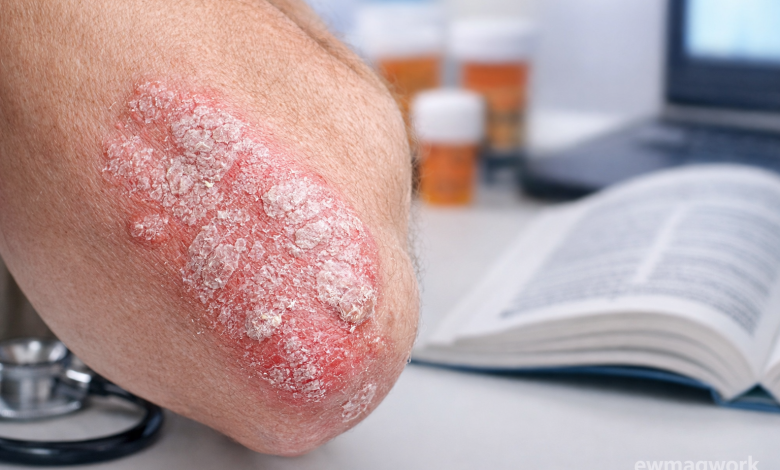
Psoriasis is one of the most common chronic skin diseases treated by dermatologists around the world. Among its different types, plaque psoriasis is by far the most widespread. Patients living with this condition often experience raised, inflamed patches of skin covered with silvery scales. These patches can appear on the scalp, elbows, knees, lower back, and other parts of the body. While physicians focus on treatment and symptom control, medical coders and healthcare administrators must also ensure that the condition is documented and coded correctly.
That is where the term “plaque psoriasis ICD 10” becomes important. ICD‑10 refers to the International Classification of Diseases, Tenth Revision, a global system used by healthcare providers to classify and code diseases, symptoms, and medical conditions. Accurate coding ensures proper diagnosis documentation, insurance reimbursement, and medical record consistency.
In most clinical and billing environments, plaque psoriasis is coded under L40.0 – Psoriasis vulgaris in the ICD‑10‑CM system used in the United States. Understanding why this code is used and how it applies in practice helps both healthcare professionals and patients better navigate medical records.
What Is Plaque Psoriasis?
Plaque psoriasis is a chronic autoimmune skin disorder that speeds up the life cycle of skin cells. Normally, skin cells grow and shed over several weeks. In individuals with psoriasis, this process happens much faster. The rapid turnover causes cells to build up on the surface of the skin, forming thick plaques.
These plaques are usually red or inflamed and covered with a layer of silvery-white scale. The condition can cause itching, burning, and sometimes pain. In more severe cases, the plaques may crack and bleed. The disease often follows a cycle of flare-ups and periods of remission.
Medical research shows that plaque psoriasis accounts for the majority of psoriasis diagnoses. Dermatology associations commonly estimate that roughly eighty to ninety percent of people with psoriasis have the plaque form. Because it is so common, it appears frequently in clinical documentation and medical coding systems.
Plaque Psoriasis ICD 10 Code Explained
When healthcare providers diagnose plaque psoriasis, the condition is usually coded in the ICD‑10‑CM system using L40.0 – Psoriasis vulgaris. This code represents the typical chronic plaque presentation of psoriasis. Even though the wording “plaque psoriasis” is widely used in everyday medical language, the ICD‑10 classification uses the traditional clinical term “psoriasis vulgaris.”
The code L40.0 is considered a billable and specific diagnosis code in the United States ICD‑10‑CM system. Billable codes allow healthcare providers to submit claims for reimbursement. The code became effective in the current edition of the ICD‑10‑CM beginning October 1 of the latest coding cycle.
The relationship between plaque psoriasis and psoriasis vulgaris can sometimes confuse patients reading their medical records. In practice, the two terms describe the same common clinical form of psoriasis. Physicians may document the condition as plaque psoriasis in their notes while coders apply the official code title from the classification system.
Why Accurate ICD‑10 Coding Matters
Medical coding is more than a technical requirement. It plays a critical role in healthcare communication, insurance claims processing, and public health data collection. Accurate diagnosis coding ensures that treatments, procedures, and medications are appropriately documented and reimbursed.
When plaque psoriasis is coded correctly, healthcare providers can justify therapies such as topical medications, phototherapy, or biologic treatments. Insurance companies often require diagnosis codes to approve these therapies. If a code does not match the documentation, the claim may be delayed or denied.
In addition, ICD‑10 codes help researchers track disease prevalence and treatment patterns. Large healthcare databases rely on these codes to analyze trends and improve care strategies. Because plaque psoriasis is common and often chronic, its coding data contributes significantly to dermatology research and healthcare planning.
Symptoms and Clinical Presentation of Plaque Psoriasis
The visible signs of plaque psoriasis are often distinctive. Dermatologists typically diagnose the condition through physical examination and patient history. The plaques are well-defined and raised, appearing thicker than the surrounding skin.
The scales that cover the plaques are usually silver or white and may flake off easily. Patients often report itching or irritation in the affected areas. The most common locations include the elbows, knees, scalp, and lower back, although plaques can appear anywhere on the body.
The condition may vary in severity. Some individuals experience small patches that affect limited areas of the skin. Others may develop widespread plaques that cover large sections of the body. Severe cases may interfere with daily activities and quality of life.
Another important consideration is the connection between psoriasis and psoriatic arthritis. Some patients with plaque psoriasis later develop joint inflammation, stiffness, or pain. When this occurs, medical coding may involve additional ICD‑10 codes related to arthropathic psoriasis.
Other Psoriasis Types in ICD‑10 Classification
Although plaque psoriasis is the most common type, the ICD‑10 system includes several other psoriasis-related codes. These categories help clinicians identify specific forms of the disease when they are documented.
For example, guttate psoriasis often appears as small drop-shaped lesions, typically after infections such as strep throat. Pustular psoriasis involves pus-filled lesions and can appear in localized or generalized forms. There is also erythrodermic psoriasis, a rare but severe form that affects large areas of the body and can become a medical emergency.
Each subtype may have its own classification within the broader L40 category of ICD‑10. Proper documentation by the physician determines which code should be used. If a specific subtype is clearly recorded, coders should assign the most accurate code rather than defaulting to psoriasis vulgaris.
Diagnosis and Medical Documentation
The diagnosis of plaque psoriasis is usually clinical. Dermatologists rely on visual examination of the skin and patient history. In uncertain cases, a skin biopsy may be performed to confirm the diagnosis.
Clear documentation in the patient record is essential for accurate coding. Physicians should specify the type of psoriasis whenever possible. Notes may include the distribution of plaques, severity of symptoms, and presence of associated conditions such as arthritis.
Detailed records help coders select the correct ICD‑10 code. They also support treatment decisions and follow-up care. In chronic conditions like psoriasis, accurate documentation over time helps track disease progression and treatment effectiveness.
Healthcare organizations often emphasize documentation improvement programs to ensure clinical accuracy. These programs encourage providers to record specific diagnoses rather than vague descriptions. For example, documenting “chronic plaque psoriasis” gives coders clearer guidance than simply writing “skin rash.”
Treatment Approaches for Plaque Psoriasis
Although there is currently no permanent cure for psoriasis, several effective treatments can control symptoms and reduce flare-ups. Treatment choices often depend on the severity of the disease and the areas of skin involved.
Topical therapies are usually the first line of treatment. These may include corticosteroid creams, vitamin D analogs, or combination medications designed to reduce inflammation and slow skin cell growth. Patients with mild cases often respond well to these treatments.
For moderate to severe psoriasis, doctors may recommend phototherapy or systemic medications. Phototherapy uses controlled ultraviolet light exposure to slow the growth of affected skin cells. Systemic medications, including biologic therapies, work throughout the body to target the immune pathways involved in psoriasis.
The availability of biologic treatments has significantly changed the management of moderate to severe plaque psoriasis. These medications target specific immune signals responsible for inflammation. While they can be highly effective, they are also expensive and usually require prior authorization from insurance providers. Accurate ICD‑10 coding helps support these authorization requests.
Living With Plaque Psoriasis
Plaque psoriasis can affect more than the skin. Many patients experience emotional stress, social discomfort, or reduced confidence because of visible symptoms. The unpredictable nature of flare-ups can also impact daily routines and work life.
Education and support play an important role in managing the condition. Dermatologists often encourage patients to follow treatment plans consistently, manage stress levels, and identify personal triggers that may worsen symptoms. Lifestyle factors such as smoking, alcohol use, and obesity may also influence disease severity.
Support groups and patient advocacy organizations provide valuable resources for people living with psoriasis. These communities help patients share experiences, learn about treatment options, and stay informed about new research developments.
Read Also: Husband Tracy Chapman: The Truth About Her Personal Life and Biography
Conclusion
Understanding the term plaque psoriasis ICD 10 is important for both healthcare professionals and patients who want clarity in medical records. In the ICD‑10‑CM coding system used in the United States, plaque psoriasis is generally classified under L40.0 – Psoriasis vulgaris, a billable and specific diagnosis code.
This coding designation reflects the most common clinical form of psoriasis and allows healthcare providers to document the condition accurately for treatment, insurance claims, and research purposes. While the wording may differ from everyday terminology, the code represents the familiar plaque-type psoriasis seen in dermatology practices worldwide.
Accurate documentation, careful coding, and clear communication between clinicians and coders ensure that patients receive appropriate care and access to necessary treatments. As medical research continues to improve understanding of psoriasis, proper classification within systems like ICD‑10 remains a crucial part of modern healthcare documentation.