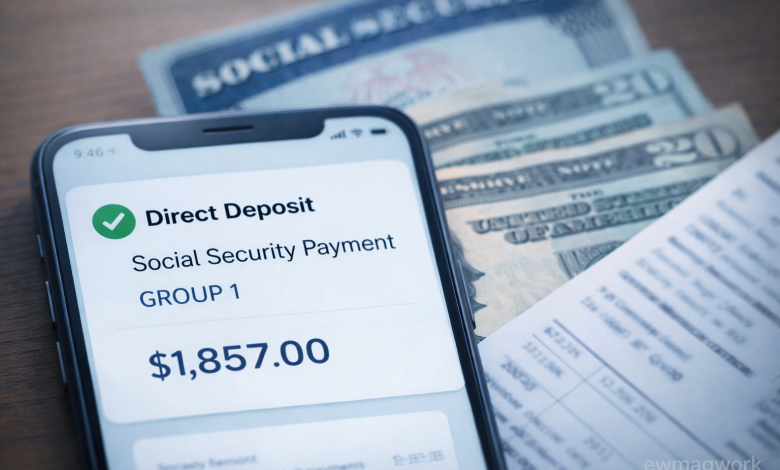
For many Americans, Social Security is more than a monthly payment. It is a financial lifeline that helps cover everyday necessities such as housing, groceries, healthcare, and utilities. Because of that, the timing of each payment matters greatly. Over the past few years, many beneficiaries have searched online for the phrase “social security group 1 direct deposit.” While the phrase may sound like an official classification, it is actually a common way people refer to the earliest payment group in the Social Security schedule.
Understanding what this group means and how direct deposit works can remove a great deal of confusion. For retirees, disabled workers, and individuals who rely on benefits, knowing when payments arrive is essential for financial planning. In this article, we explore what people usually mean by Social Security Group 1 direct deposit, who belongs to this group, and how the payment system works.
The Story Behind the Social Security Payment Schedule
The Social Security system has evolved over decades. When the program first expanded significantly in the twentieth century, benefits were mailed to recipients through paper checks. At that time, payments often arrived on the same day each month. However, as the number of beneficiaries grew into the tens of millions, the government needed a more organized schedule to distribute payments efficiently.
To manage this growing system, the Social Security Administration introduced a structured payment calendar. Today, payments are generally distributed on specific days of the month based on factors such as when someone first began receiving benefits or their date of birth. This system spreads payments across the month and helps prevent processing overload.
Within this schedule, some people receive their payment earlier than others. Over time, online discussions began referring to these groups informally as Group 1, Group 2, and Group 3. Although these names are not official labels used by the Social Security Administration, they have become widely used in conversations and online searches.
What People Mean by Social Security Group 1 Direct Deposit
When people talk about Social Security Group 1 direct deposit, they are usually referring to beneficiaries who receive their payment near the very beginning of the month. In most cases, this includes individuals who began receiving Social Security benefits many years ago or those who also receive Supplemental Security Income.
For these recipients, payments are commonly issued around the third day of each month. Because most benefits today are delivered electronically, the payment is deposited directly into the recipient’s bank account or onto an approved payment card.
Direct deposit has become the standard method for receiving Social Security benefits. Instead of waiting for a check to arrive in the mail, funds are transferred electronically on the scheduled payment date. This process makes payments faster, safer, and more reliable.
Why Direct Deposit Became the Preferred Payment Method
Over the last two decades, federal agencies have moved steadily toward electronic payments. Direct deposit reduces administrative costs, lowers the risk of lost or stolen checks, and ensures beneficiaries receive their funds as quickly as possible.
For recipients, the benefits of direct deposit are significant. Payments arrive automatically on the scheduled date, even during severe weather or postal disruptions. Beneficiaries also gain immediate access to their funds through their bank account or debit card.
Many financial experts recommend direct deposit because it adds an extra layer of financial security. Paper checks can be misplaced or delayed, but electronic transfers are tracked and processed through secure systems.
Who Typically Receives Payments in the First Group
The earliest payment group generally includes individuals who began receiving Social Security benefits before the modern birth date scheduling system was introduced. When the newer payment structure was created, existing beneficiaries were allowed to remain on their original schedule.
As a result, millions of long‑time recipients continue to receive their payments early each month. Many of these individuals are retirees who have been receiving benefits for decades. Some beneficiaries who receive both Social Security and Supplemental Security Income also fall within this early payment window.
For these recipients, the direct deposit often appears in their bank account around the beginning of the month. The exact time of day the deposit appears can vary depending on the financial institution processing the transaction.
How the Modern Payment Calendar Works
Today, the Social Security Administration distributes payments across multiple dates during the month. This system helps manage the enormous volume of payments that must be processed each month for tens of millions of beneficiaries.
Individuals who began receiving benefits more recently typically receive their payments on Wednesdays throughout the month. The exact Wednesday depends on the beneficiary’s birth date. This approach allows payments to be spread evenly and processed efficiently.
Meanwhile, the earlier group of beneficiaries continues to receive payments near the beginning of the month. Because of this, many people have come to refer to them informally as the “first group” of Social Security recipients.
Why Payment Timing Matters for Beneficiaries
For someone living on a fixed income, timing can make a major difference. Monthly budgets are often carefully planned around expected payment dates. Rent, utility bills, medical expenses, and grocery purchases may all depend on the arrival of Social Security benefits.
If a payment arrives later than expected, even by a day or two, it can disrupt financial planning. This is why so many people search for information about their payment schedule. Understanding the system provides reassurance and helps beneficiaries avoid unnecessary worry.
Direct deposit has improved reliability, but recipients still want to know exactly when their payment should appear. Knowing whether you belong to the earliest payment group can help set clear expectations each month.
What Happens When Payment Dates Change
Occasionally, the expected payment date shifts slightly. This can happen when the scheduled payment day falls on a weekend or a federal holiday. In those cases, payments are usually issued on the preceding business day.
For example, if the third day of the month falls on a Sunday, beneficiaries in the early payment group may receive their direct deposit on the previous Friday. These adjustments ensure that recipients still receive their funds on time.
Banks may also process deposits at different times of day. Some financial institutions release deposits early in the morning, while others post them later in the day. Because of this, two recipients with the same payment date may see their funds appear at slightly different times.
The Role of Social Security in American Lives
Social Security remains one of the most important government programs in the United States. Tens of millions of Americans rely on these monthly payments for financial stability during retirement or disability.
For many individuals, Social Security represents the foundation of their income. While some retirees also have pensions or savings, others depend heavily on their monthly benefit. Because of this reliance, understanding the payment schedule becomes an essential part of managing everyday finances.
Direct deposit has helped make this system more dependable. By transferring funds electronically, the government can deliver benefits quickly and securely to recipients across the country.
Understanding Your Payment Schedule
If you receive Social Security benefits, the most reliable way to confirm your payment schedule is through your personal Social Security account or official communication from the Social Security Administration. These resources provide accurate information about payment timing and direct deposit status.
Beneficiaries who change bank accounts or move to a different financial institution should update their direct deposit information promptly. This helps prevent delays and ensures payments continue to arrive without interruption.
Staying informed about your payment schedule can provide peace of mind. When you know exactly when your benefits will arrive, it becomes easier to plan monthly expenses and manage your financial life.
Read Also: Ann Archambault: A Quiet Life Behind a Public Name
Conclusion
The phrase “social security group 1 direct deposit” has become a popular way people describe the earliest group of beneficiaries who receive their payments at the start of the month. While the Social Security Administration does not officially label recipients as Group 1, the term has emerged through everyday conversation as a convenient way to refer to this early payment schedule.
For millions of Americans, these monthly deposits are vital to maintaining financial stability. Direct deposit ensures that payments arrive quickly, securely, and consistently. By understanding how the payment system works and where you fit within the schedule, you can manage your finances with greater confidence and clarity.
Social Security has supported generations of Americans, and its payment system continues to evolve to serve millions of households. Whether you are a long‑time beneficiary or newly enrolled in the program, knowing how direct deposit and payment timing work is one of the most valuable steps you can take toward financial peace of mind.