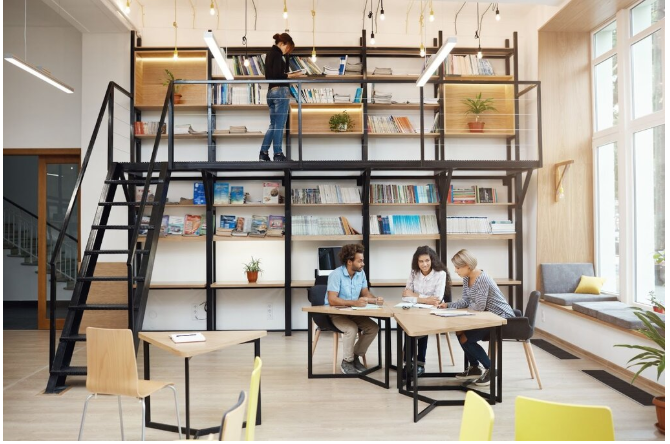
Here’s something you’ve probably noticed: the traditional office model is crumbling. Big corporations are slashing square footage, hybrid schedules have become standard operating procedure, and professionals are flocking back to city centers, but on their own terms. What they’re after isn’t just a desk and a chair.
They want premium spaces that bend to their schedules, not the other way around. Flexible workspaces have emerged as the solution, covering everything from coworking spaces in urban cities to flexible office space, shared office space, and serviced offices. You’re going to learn what’s actually fueling this growth, which models deliver results, how to nail your location choice, and what you’ll really spend.
Urban flexible workspaces in 2026: the demand signals you actually need to watch (forget the “remote work” rhetoric)
You can’t build a smart workspace strategy by reading headlines. Let’s look at the real demand signals pushing urban flexible workspace adoption in 2026 and what they mean for your next move. Hybrid work stopped being experimental years ago. It’s now the default operating system for modern companies.
Here’s a number worth your attention: adopting flexible workspaces as part of a hybrid approach could push productivity up by 11% over the next five years. That’s according to the new IWG Hybrid Working Productivity Report produced with global consultancy Arup. This matters because it proves flex spaces aren’t just about cutting costs, they’re about measurable output gains.
Commute compression and the “15-minute city” effect are fueling coworking spaces in urban cities
Nobody’s willing to burn an hour each way anymore. They’re picking spaces within 25 minutes of home, by transit, bike, or on foot. Map your members’ home ZIP codes and measure their time-to-arrive. Target neighborhoods where multimodal commutes stay comfortably under 25 minutes. This single decision keeps your occupancy rates high and churn manageable.
Chennai illustrates this transit-driven growth beautifully. Thanks to an expanding metro network and concentrated tech corridors in neighborhoods like Navalur, the city has developed dense employment zones with solid multimodal connectivity.
For professionals juggling global clients, selecting a coworking space in chennai increasingly depends on securing a premium, dependable workspace within a quick commute, without sacrificing the schedule flexibility hybrid work demands. You’re seeing the same pattern play out in other high-growth metros where infrastructure and density collide.
Corporate “hub-and-spoke” networks and distributed teams are redefining flexible office space
The era of sprawling headquarters is ending. Big companies are building networks of smaller, strategic hubs instead. You need to track badge swipes, meeting room bookings, and headcount by metro to spot the patterns.
When does your team actually need serviced offices versus hot desks or team suites? If people show up one to three days weekly, a shared space with meeting room credits is your best bet. Teams working five days? Private suites with flexible terms win every time.
The experience economy in offices: urban amenities are the new “office perk”
Forget free snacks. Today’s office perks mean bundled access to gyms, specialty cafés, childcare, and transit subsidies. Track your NPS by amenity usage. Monitor retention based on community event participation.
If members who join your events stick around six months longer, you’ve found your differentiator. Partnerships with local wellness providers and childcare networks can set your space apart in a crowded market.
Talent magnet zones and innovation districts are driving shared office space demand
Universities, hospitals, and tech corridors work as anchors. Build vertical offerings around these zones. A medical district demands HIPAA-compliant meeting rooms and privacy-focused layouts. A university zone thrives on startup bundles and pitch events. Track collaborations per 100 members and referral-to-tour conversion rates to gauge whether your positioning hits the mark.
Growth drivers unique to cities: structural advantages that suburban spaces simply can’t match
Those demand signals show you what’s changing. But cities possess structural advantages that explain why flexible workspaces flourish in urban environments far more than suburban alternatives ever could.
Density-driven collaboration and accelerated deal flow
Cities compress people, ideas, and capital into tight geographic clusters. You can design for collisions through weekly events, curated introductions, and resident expert office hours. Use collaborations per 100 members and referral-to-tour rates as your north star metrics.
These numbers reveal whether your community strategy actually works or if you’re just hosting expensive pizza parties.
Transit-connected convenience built for hybrid schedules
Position yourself within seven to ten minutes of metro or major bus hubs. Add commute calculators to your listing pages so prospects can calculate travel times before booking a tour. Here’s a data point that should change your hours policy: in 2024, 20% of office attendance happened outside standard hours, up from just 13% pre-pandemic. Extended access and smart entry systems matter more than your lease broker probably told you.
Premium client-facing presence without long-term lease commitments (the serviced offices use case)
Sales teams, consultancies, and companies launching global expansions need instant credibility. Position serviced offices as “instant HQ” packages, complete with managed IT, professional reception, and compliance-ready infrastructure. These clients happily pay premium rates for white-glove service paired with short commitments.
Urban resilience: counter-cyclical use cases (project teams, swing space, renovation overflow)
Cities generate constant churn through mergers, renovations, and temporary project launches. Offer 30/60/90-day project pods to capture swing space demand. This revenue stream remains stable even when long-term lease markets soften.
Flexible workspace formats are winning in urban cities (match the model to your market)
Now that you understand urban-specific advantages, here’s the critical question: which flexible workspace format best captures these opportunities given your market position and target members?
Coworking spaces in urban cities: hot desks combined with community-led programming
Run weekly networking sessions, monthly demo days, and industry-specific circles. Generate revenue through tiered memberships, day passes, and event space rentals. Community-driven spaces earn genuine loyalty, which translates directly to lower churn and stronger occupancy.
Flexible office space for teams: private suites with scalable terms
Standardize your suite sizes and furniture packages for rapid turnover. Offer “expand/contract clause” pricing so growing teams can scale without renegotiating from scratch. Overflow desk banks let companies handle peak attendance days without committing to permanent square footage.
Shared office space for cost-optimized access (multi-company floors, enterprise pass programs)
Corporate bundles perform exceptionally well, X passes monthly plus meeting room credits. This model serves enterprise hybrid programs where employees rotate through multiple locations each week.
Serviced offices for premium positioning (managed IT, reception, compliance-ready infrastructure)
Build white-glove service tiers with dedicated support, secure printing, and visitor management systems. Legal, finance, and consulting firms pay premium rates for privacy and professional polish.
Hybrid extensions: meeting lounges, podcast studios, innovation labs (trend-forward additions)
Monetize by the hour with membership add-ons. Track utilization religiously to decide when to scale. Studios and labs attract media teams and creative professionals willing to pay premium hourly rates.
Urban economics making flex the smart default: why cost, risk, and speed all favor flexibility
Choosing the right format matters most when the underlying economics fundamentally favor flexibility. Here’s why the math increasingly works against traditional urban leases.
CAPEX avoidance versus traditional leases (fit-out, furniture, IT infrastructure, deposits)
Run the full comparison: 12-month flex costs against three- to seven-year lease costs, including fit-out, furniture, IT infrastructure, and security deposits. Don’t forget hidden costs like ongoing maintenance, utilities, and insurance. Flex models bundle everything into predictable monthly fees.
Time-to-work: “start this week” as your competitive edge
Pre-built suites, instant contracts, and digital onboarding mean teams can launch Monday. Traditional leases consume months. Speed matters when you’re scaling, hiring, or expanding into new markets.
Risk reduction during uncertain times (headcount volatility, mergers, AI-driven reorganizations)
Rolling terms, pause options, and swing seats protect companies when headcount fluctuates unexpectedly. With as many as 65% of the workforce now employed by companies offering hybrid options, we’re looking at a long-lasting impact on the coworking industry. Flex models absorb volatility better than rigid lease structures ever could.
Your Next Steps in Urban Flex Strategy
Flexible workspaces aren’t simply solving real estate headaches, they’re enabling productivity gains, talent retention, and accelerated growth trajectories. Urban density, transit access, and amenity clusters make cities the natural home for flex models.
Whether you’re an operator building a community, a landlord exploring partnership models, or a team choosing your next space, these strategies give you a working roadmap. Focus on utilization data, member experience design, and location scoring. The companies that master these fundamentals will own the next decade of urban flex growth.
Questions About Urban Flexible Workspaces
1. Are flexible workspaces actually cheaper than traditional offices in major cities?
Often yes, especially when you factor in CAPEX avoidance, speed to launch, and risk reduction. Compare 12-month all-in flex costs to three- to seven-year lease buildouts including furniture, IT, deposits, and ongoing utilities to see the complete financial picture.
2. Which makes more sense for a 10-person hybrid team: serviced offices or coworking?
If your team requires privacy, regular client meetings, and custom branding, choose serviced offices. If community, networking opportunities, and lower costs matter more, go with coworking spaces featuring team-sized private rooms.
3. Do coworking spaces in urban cities work if my team only comes in 1–2 days weekly?
Absolutely. Look for spaces offering flexible pass programs, overflow desks, and meeting room bundles. You’ll pay only for actual usage, avoiding the waste of empty traditional office space sitting idle most of the week.